2009 වර්ෂයේදී ආරම්භ කල ශ්‍රී ලාංකීය වේදිකාව නම් මෙම වෙබ් අඩවිය, ලාංකීය කලා කෙත පෝෂණය කිරීමට ගත් කුඩා වෑයමකි. විශේෂයෙන්ම අන්තර්ජාලය තුල වේදිකා නාට්‍ය ගැන පලවූ ලිපි එකම වෙබ් අඩවියකට යොමුකොට, වේදිකා නාට්‍ය හදාරන සහ ඒ පිලිබදව උනන්දුවක් දක්වන සැමට පිටුවහලක් වන ලෙසට එය පවත්වාගෙන යනු ලැබීය.

2012 වර්ෂයේ සැප්තම්බර් මාසයේ www.srilankantheatre.net
නමින් අලුත් වෙබ් අඩවියක් ලෙස ස්ථාපනය කල මෙම වෙබ් අඩවිය, ලාංකීය කලා කෙත නව ආකාරයකින් හෙට දවසෙත් පෝෂණයේ කිරීමට සැදී පැහැදී සිටී. මෙම නව වෙබ් අඩවිය තුලින් වේදිකා නාට්‍ය පමණක් නොව, චිත්‍රපට, සංගීතය, ඡායරෑපකරණය, සාහිත්‍ය සහ තවත් නොයෙක් ලාංකීය කලා මාධ්‍යන් ගැන විශ්ලේෂනාත්මක ලිපි ඉදිරිපත්කිරීමට බලාපොරොත්තු වෙමු. ඒ සදහා ඔබගේ නොමසුරු සහයෝගය සහ දායකත්වය අප බලාපොරොත්තු වෙමු.

Saturday, 12 June 2010

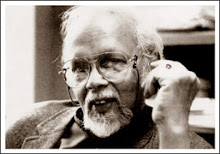
නොමැරෙන එක ම කලා මාධ්‍යය නාට්‍ය කලාවයි - ධර්මජිත් පුනර්ජීව

Author: ටානියා මෝසස්
Date: 13/06/2010
Source: Silumina

ධර්මජිත් පුනර්ජීව රැඩිකල්වාදී නාට්‍ය වේදියෙක් වගේම ලේඛකයෙක්. ‘ලිහිණි’, ‘ගාන්ධි’ සහ ‘සිංහබාහු’ වැනි ස්වතන්ත්‍ර, අනුවර්තන සහ පරිවර්තන නාට්‍ය හරහා විටෙක ඔහු සිංහල ප්‍රේක්ෂකයාටත්, විටෙක ඉංග්‍රීසි ප්‍රේක්ෂකයාටත් ආමන්ත්‍රණය කරයි.

ඔහු නිර්මාණය කළ දාරියෝ ෆෝ ගේ ’Abducting Diana’ නවතම වේදිකා නාට්‍යයි. මේ කතා බහ ඒ වෙනුවෙනි.

ඔබගේ නව නිර්මාණයක් පසුගිය දිනවල එළිදැක්වුණා.

’දාරියෝ ෆෝ’ ගේ ’Abducting Diana’ නාට්‍යය වේදිකාගත වුණා.

මෙවැනි නාට්‍යයක් නිර්මාණය කිරීමට සිතුණේ ඇයි?

මෙහි තේමාව වුණේ ‘මාධ්‍යය’, මාධ්‍යය සතු වගකීම. මෙම කතා වස්තුව අපේ රටේ මාධ්‍ය කලාවට සම්බන්ධයි. රටක නිවැරැදි තොරතුරු හෙළි කිරීම මාධ්‍ය සතු වගකීමක්. ඔවුන් විනිවිද භාවයකින් කටයුතු කළ යුතුයි.

මේ පණිවුඩයයි මා ප්‍රේක්ෂකයාට දීමට බලාපොරොත්තු වුණේ. දාරියෝ ෆෝ තවමත් ජීවතුන් අතර සිටින කලාකරුවෙක්. ඉතින් මෙම නාට්‍ය නිර්මාණයේදී මට සැලකිලිමත් වීමට සිදුවුණා.

නාට්‍යයට ලැබුණු ප්‍රතිචාර කොහොමද?

ඒ පිළිබඳ මගේ කනගාටුවක් තියෙන්නේ. මේ නාට්‍ය අසාර්ථකයි. එයට මූලික හේතුව වුණේ නාට්‍යයට සම්බන්ධ වුණු නළු නිළියන් ඔවුන්ගේ වගකීම හරියාකාරව තේරුම් ගෙන නෑ.

ඔවුන් මෙයට සාධාරණයක් ඉෂ්ට කළේ නෑ. මට අවශ්‍ය වුණේ මෙම නාට්‍යයෙන් ගැඹුරු අර්ථකථනයක් දීමටයි. එහෙත් නළු නිළියන් එය තේරුම්ගන්නේ නෑ. මම ඒ දේ ප්‍රසිද්ධියේම ප්‍රකාශ කරනවා.

‘Abducting Diana’ නැවත වේදිකාගත කිරීමට ඔබ බලාපොරොත්තු වෙනවාද?

ඔව්. වෙනත් රංගන ශිල්පීන් සම්බන්ධ කරගෙන ඉදිරියේදී වේදිකාගත කරනවා.

ඔබගේ අනික් නිර්මාණ පිළිබඳත් දැනගන්න කැමැතියි?

නිර්මාණ 15 පමණ මා අතින් බිහිවී තිබෙනවා. මේ අතරින් ‘සිංහබාහු’ වේදිකා නාට්‍යය පිළිබඳ කතා කළ යුතුමයි. ‘සිංහබාහු’ ඉංග්‍රීසි භාෂාවෙන් වේදිකා ගත කෙරුණා. යම් යම් බාධක ආවත් ඉතාමත් සාර්ථක ලෙස එය පේ‍්‍රක්ෂකයන් අතරට ගියා.

‘සිංහබාහු’ නිර්මාණය කිරීමේදී ලලිතා සරච්චන්ද්‍ර මහත්මිය මෙයට විරුද්ධව අධිකරණයට පවා ගියා. නමුත් එහිදී ඇගේ ඉල්ලීම ප්‍රතික්ෂේප වුණා. ගැටුම් නිරාකරණ කමිටුව මඟින් තවමත් මෙය විභාග වෙනවා.

’සිංහබාහු’ නාට්‍යයට ලැබුණු ප්‍රතිචාර කොහොමද?

අති සාර්ථකයි. සාර්ථකත්වය දරාගන්න බැරි තරමටම එය සාර්ථක වුණා. මා ප්‍රේක්ෂකයාගෙන් බලාපොරොත්තු වන්නේ මෙම නාට්‍ය නැරඹීමේදී අප තුළ තිබෙන සිංහල සංස්කෘතික බැමි ඉවත් කොටගෙන නරඹන ලෙසයි.

සිංහබාහු’ නාට්‍යයෙන්

’සිංහබාහු’ යනු අප රටේ බිහිවුණු සම්භාව්‍ය ගණයේ නාට්‍ය නිර්මාණයක්. මෙවැනි නිර්මාණයක් වෙනත් භාෂාවකින් කරළියට ගෙන ඒම අභියෝගයක් නේද?

ඔව්. ‘සිංහබාහු’ කියන්නේ සිංහලයාගේ ප්‍රභවය ගැන කියැවෙන නිර්මාණයන්. වසර 50 පුරා ලාංකේය ප්‍රේක්ෂකයන් අතර ප්‍රචලිතයි. එහෙත් මට අවශ්‍ය වුණේ ඉංග්‍රීසි මාධ්‍යයෙන් සිංහලයාගේ අනන්‍යතාව ජාත්‍යන්තරයට ගෙනයෑමයි. මෙහිදී මුල් කෘතියට හානියක් නොවන පරිදි එහි ගුණය රැකගෙන නව ආරයකින් නිර්මාණය කිරීම විශාල අභියෝගයක්.

මෙහිදී මට විශාල කැපකිරීමක් කිරීමට සිදු වුණා. නිදසුනක් ලෙස ‘සිංහබාහු’ නාට්‍යයේ ගීත 84 අඩංගු වෙනවා. මා ඒ සියල්ලම නව ස්වර මණ්ඩලවලට අනුව නිර්මාණය කළා. එය සරල දෙයක් නෙමෙයි.

ඔබ නාට්‍ය පොත් කිහිපයක්ම එළිදක්වා තිබෙනවා නේද?

ඔව්. මේ වනවිට පොත් තුනහතරක් මා අතින් ලියැවී තිබෙනවා. මේ කෘති සියල්ලම ලියැවී තිබෙන්නේ රංග කලාව මූලික කරගෙනයි. ලංකාවේ රංගන ශිල්පීන් බොහෝ දෙනෙක් මේ ක්‍ෂේත්‍රයේ නියැලී ඉන්නේ ඒ පිළිබඳ නිසි අවබෝධයක් නොමැතිවයි. ඉතින් ‘නළු කලා ශිල්ප’, ‘රූපණවේදය’ වැනි ග්‍රන්ථ තුළින් මට හැකි වී තිබෙනවා යම් තාක් දුරට හෝ ඔවුන්ට අවබෝධයක් ලබාදීමට.

එය මට සතුටක්. මේ අතරතුර දැන් මට අවස්ථාවක් ලැබී තිබෙනවා. අපේ ‘සිනමා සක්විති’ ගාමිණී ෆොන්සේකාගේ රඟපෑම පිළිබඳව දක්වපු අදහස් අළලා ග්‍රන්ථයක් එළිදැක්වීමට. මේ වන විට ගාමිණී ෆොන්සේකා පදනමෙන් එයට අවසරය ලැබී තිබෙනවා.

ලංකාවේ නාට්‍ය කලාව පිළිබඳ ඔබ දරන මතය දැනගන්නට කැමැතියි?

නොමැරෙන එකම සජීවී කලා මාධ්‍යය, ‘නාට්‍ය කලාව‘ ලෙසයි මම දකින්නේ. නාට්‍ය කලාවට අද බොහෝ විට තරුණ පරපුරේ ජවසම්පන්න දායකත්වයක් ලැබෙනවා. එහෙත් ඔවුන් එහි නියැලෙන්නේ මුදල් බලාපොරොත්තුවකින් නම් නෙමෙයි.

මෙහිදී මා විශේෂයෙන් සඳහන් කළ යුතු දෙයක් තිබෙනවා. නාට්‍ය අනු මණ්ඩලයේ සභාපති පැට්‍රික් රත්නායක විසින් ‘ජාතික නාට්‍ය උළෙල’ සම්බන්ධයෙන් ව්‍යවස්ථාවක් මේ වන විට එළිදක්වා තිබෙනවා.

මෙම ව්‍යවස්ථාවට අනුව යම් නාට්‍යයක් හොඳම නාට්‍යයට නිර්දේශ වීමට නම් එය ස්වතන්ත්‍ර නිර්මාණයක් විය යුතුයි. ඔවුන්ගේ මෙම ප්‍රකාශය සුබවාදී නාට්‍ය කලාවට කෙරෙන අසාධාරණයක්.

එවැනි ස්වතන්ත්‍ර නිර්මාණ බිහි කළ නාට්‍ය ශිල්පීන් ලංකාවේ සිටින්නේ ඉතා අතළොස්සයි. කේ.බී.හේරත් ඒ අතර වෙනවා. මගේ හැඟීම නම් ඔහු වුණත් මෙම ප්‍රතිපත්තියට අකැමැති වේවි.

නාට්‍ය නිෂ්පාදනයත් පිටපතත් අතර දැවැන්ත පරතරයක් තිබෙනවා. අපි බලන්න ඕනේ නිර්මාණශීලී කුසලතාවයයි; පිටපත නොවේ. මා කාරුණිකව සභාපතිතුමාගෙන් ඉල්ලා සිටින්නේ තව දුරටත් මේ වගන්තිය පිළිබඳ හිතා බලන ලෙසයි.

ඔබගේ ඉදිරි වැඩ කටයුතු පිළිබඳත් සඳහන් කළහොත්?

මෙහිදී නාට්‍ය හා රංග කලාව වෙනුවෙන් මම අදහසක් ඉදිරිපත් කරන්න කැමැතියි. රංග කලාව කියන්නේ ශීඝ්‍රයෙන් දියුණු වෙමින් පවතින ක්‍ෂේත්‍රයක් හැටියට මේ කලාවට ජාතික ප්‍රතිපත්තියක් තිබිය යුතුයි යන්නයි.

ඔබ ඇයි සිනමාව වගේ ක්ෂේත්‍රයකට නොපිවිසෙන්නේ?

මම චිත්‍රපටයක් අධ්‍යක්ෂණය කරනවා. එහි නම ‘තිළිණි’. මෙය නිෂ්පාදනය කරන්නේ ‘ශිරාන් ටෙලිසිනේ’ අධිපති මාක් ප්‍රනාන්දු. මේ දිනවල එම චිත්‍රපටයේ පූර්ව නිෂ්පාදන කටයුතුවල නිරතව සිටිනවා.

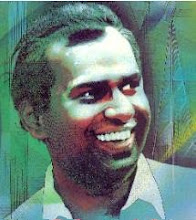
වේදිකාවේ අභියෝගයක් ආපු හැම වෙලාවෙම මට මැවී පෙනුණෙ අම්මාගේ දිරිගන්වන මුහුණයි - ප්‍රවීණ රංග ශිල්පී ශි‍්‍රයන්ත මෙන්ඩිස්

Author: උපාලි සමරසිංහ
Date: 13/06/2010
Source: Silumina

ටෙලි නාට්‍ය කලා මාධ්‍යයක් නොවේ යැයි ඩී.බී. නිහාල්සිංහ වරක් කීවේය. අපේ රටේ ඇත්තේ ටෙලි නාට්‍ය නොව ටෙලි ෆිල්ම් යැයි කේ.ඒ. ඩබ්ලිව්. පෙරේරා ද කීවා මතකය. සරච්චන්ද්‍රයන් කීවේ මේ රටේ ඇත්තේ ටෙලි නාට්‍යය නොව සෝප් ඔපෙරා පමණක් බවය. කොහොම නමුත් රූපවාහිනියෙන් තරු බිහි විය නොහැකි බව විචාරක මතයයි. එනමුත් සිනමා සක්විති ගාමිණි ෆොන්සේකා සමඟ දොස්තර අනිල් සමරනායක කළ පිළිසඳරකින් විරචිත ‘ගාමිණි’ නම් කෘතියේ 260 පිටුවේ ඒ තරු සංකල්පය රූපවාහිනියෙන් ඇතැම් තැනක මතුවී ඇති බව ගාමිණි ෆොන්සේකා කියයි. ඒ එක් නළුවකු ගැන සඳහන් කරමිනි. මේ නළුවා අන් කවරකුවත් නොව ශි‍්‍රයන්ත මෙන්ඩිස්ය.

වේදිකාවේ පුහුණුවක් තිබුණද ශි‍්‍රයන්ත ප්‍රේක්‍ෂකයන් අතර ආකර්ෂණ වූයේ ධම්ම ජාගොඩගේ “පළඟු මැණිකේ” ටෙලි වෘත්තාන්තයේ ‘පට්’ ‘පට්’ ගා සම්තිං සෙවු තරුණයා ලෙසිනි. එදා මෙදා තුර සිනමාවේ, ටෙලිනාට්‍යයේ, වේදිකාවේ දිදුළ රංගන රැසක් පණ පෙවූ ශි‍්‍රයන්ත “පැන්ස දෙකේ හංසයා”, “වර්ණ” හා “පාදඩ අසපුව“ යන වේදිකා නාට්‍ය නිෂ්පාදනය කළේය. තමන්ගේ හඬ පෞරුෂය මතු නොව රංග පෞරුෂය මතු වූයේ ගුරුවරියක වන මවගේ මඟ පෙන්වීම නිසා යැයි හෙතෙම කියයි. අද වුවද අම්මාගේ දිරි ගැන්වීමේ මුහුණ හා ආශිර්වාදය ඕනෑම අභියෝගයක් බිඳ හෙළන්නට තමා ලැබූ මහරු දායාදයකැයි ශි‍්‍රයන්ත කීවේය. ඒ දයාබර මෑණියන් පිළිබඳ ශි‍්‍රයන්ත කියූ දේ මම ඔබට ලියන්නට වෙහෙසෙමි.

මගේ අම්මා එලියාදුර කරලැයින් සොයිසා. දකුණු පළාතෙ කෙනෙක්. විවාහයෙන් පස්සෙ පියා සමඟ රාගමට ඇවිත් තියෙන්නෙ. වෘත්තියෙන් ගුරුවරියක්. පියා වරායේ විධායක නිලධාරියෙක් ලෙස වැඩ කළා. හිද්දාදුර ලාසරස් මෙන්ඩිස්. මං තමයි පවුලෙ වැඩිමලා. අජිත් මෙන්ඩිස් හා මැණික් මෙන්ඩිස් නමින් සහෝදරයෙක් හා සහෝදරියක් ඉන්නවා. මං ඉපදිලා තියෙන්නෙ රාගම පොඩි වී කුඹුර ගමේ අපේ තාත්තගෙ මහගෙදර. පොල්අතු සෙවිලි කළ ලොකු ගෙදරක් බව මතකයි. වල්බිලින්ගහවත්ත ඉඩම කියන්නෙ ඒකට. ඇළ දොළ වේලි බැත කෙත කුඹුර, නිල්ගොයම, බණ්ඩි කරල්, දණ්ඩි පැටව්, ගහකොළ සතා සීපාවා එක්ක තිබුණු මේ සුන්දර බිම්කඩ ගැමි සුවඳ උරා ගත් තැනක්. ඒ ගැමි සුවඳ අම්මගෙ තුරුල්ලෙ ඉඳන් මා ලබලා තියෙන්නෙ.

මා හිතන්නෙ මගෙ නිර්මාණකරණයේ මුල් අත් පොත පොඩි වී කුඹුරෙ ඒ ගෙදර ලැබූ අත්දැකීමයි. ඊළඟට තාත්තා හදපු අලුත් ගෙදරකට අපි ගියා. රාගම රම්පිටියෙ. මේ ඉඩම අක්කර බාගයක් විතර ඇති. කාමර දෙකක් හදාගෙන අපේ පුංචි පවුල මහගෙදරින් එහෙම යනකොට පුංචි අම්මාත් (විවියන් සොයිසා) අපිත් එක්ක ආවා. සීයත් අපිත් එක්කම ආවා. පවුලේ රැකියාවක් කළ එකම ගැහැනිය අපෙ අම්මා නිසාත් තාත්තා විධායක මට්ටමේ රැකියාවක් කළ නිසාත් ඒ අයත් අපිත් එක්කම හිටියා. මගේ පුංචිම කාලේ ජීවිතය සුරක්‍ෂිත බව, බෙදාහදා ගැනීම වගේ දේවල් මේ කණ්ඩායමෙන් ම සිදුවුණා කියලා හිතෙනවා. අපේ අම්මා ප්‍රායෝගික ගැමි නුවණින් ඉතා පොහොසත්. ගුරුවරියක් හැටියටත් සේවය කළ නිසා බොහෝ දේ දන්නවා.

ඇය නිතරම මට යමක් කියා දුන්නේ කතන්දරයක් මාර්ගයෙන්. අනාදිමත් කාලයක ඉඳන් කතන්දර අහලා පුරුදු සිංහල ජනතාව අතරේ ඇය බොහෝ දේ දරුවන්ට පුරුදු කළේ අතීත සංස්කෘතියට වන්දනා කරමින්. දුටුගැමුණු කුමාරයාගේ කතාව, ගෝඨයිම්බර, සුරනිමල යෝධයන් ගැන ඇය කියා දුන්නා. උදේටත් හවසටත් මට තුරුලු වන අම්මාගේ ඒ සුවඳ මගේ් ජීවිතය එකලු කළා. සෞන්දර්යය පිළිබඳ මුල් පාඩම මා උගත්තේ සීයාගෙන්. බූරු ඇඳක ඇලවී සීයා කියන කවි ස්තෝත්‍ර අසමින් මා කාලය ගත කළා. ඇය සංගීත ගුරුවරියක්. ඉතාම මිහිරියාවෙන් කවි ගී ගැයීමට දක්‍ෂයි. ඇය උදේට ගියාම සවස ආයිත් ගෙදර එනකම් මං හිටියෙ පුංචි අම්මත් එක්ක. හවසට එනකොට ඇය අතේ මා වෙනුවෙන් මොනවා හරි තියෙනවා. අඩුම තරමේ ටොෆි දෙකක් හරි.

මෙහෙම ඇවිත් ඇය මටත් බත් කටක් කවලා ආදරයෙන් ඔළුව අතගාලා කියපු කතාවක් මට අද වගේ ම මතකයි. “පුතේ, උඹ ඉපදෙන්න ඉන්න කාලෙ මං වයලීනය වයමින් බඩ අත ගෑවා. ඒ උඹ කවරදා හරි සෞන්දර්යවාදියෙක් වෙනවා කියලා හිතුණු නිසයි. හැබැයි දරුවො මොලේ වැඩිලා ලොකු මිනිහෙක් වෙලා වැඩක් නෑ. ලොකු මිනිහෙක් නොවෙයි හොඳ මිනිහෙක් වෙයන්.” මා හිතන්නෙ අම්මගෙ ඒ ප්‍රාර්ථනාව අද සඵල වුණා. අපේ පවුලෙ කිසිම කෙනෙක් කලාවට සම්බන්ධ නෑ. පළමු කලාකරුවා බිහිවන්නෙ මෙතැනින්.

සංගීත ගුරුවරියක් හැටියට කලාකාමී පැත්තට නැඹුරුව ඉන්න අම්මා කලාවේ වෙනස් අවශේෂාංග මගෙන් බලාපොරොත්තු වුණා කියලා හිතෙනවා. අම්මා රාගම නාගොඩ මහා විද්‍යාලයයෙ තමයි ඒ කාලෙ උගැන්නුවෙ. අනෙක් ළමයි ස්කෝලෙ යනකොට මාත් ස්කෝලෙ ගියා. ඒ “සොයිසා ටීචර්ගෙ පුතා” නිසා. අම්මා උගන්වන පංතිය පැත්තකින් මාවත් තියා ගන්නවා. පෙර පාසලට පසුව ඇතුළු කළා. මට මතකයි පෙර පාසලේ වාර්ෂික ප්‍රසංගය දවසෙ අනෙක් ටීචර්ලා කියනවා සොයිසා ටීචර්ගෙ පුතාට තමයි අර කෑල්ල දෙන්න ඕනැ කියලා. මටත් තරමක තුෂ්නිම්භූතයක්. මගේ ජීවිතයේ පළමුවැනි සෞන්දර්යාත්මක අත්දැකීම ඒ විදියට මුණ ගැසේවි කියලා මාත් අම්මවත් හිතුවෙ නෑ. මට සරමකුයි බැනියමකුයි ඇන්ඳූවා. දැන් පුහුණු කරනවා. පද හතරක් තියෙනවා කියනවා වගේ කට හොලවන්න. ශබ්ද විකාශනයෙන් තැටිය වාදනය වෙනවා. මෙන්න පද හතර...

සරම අඳිමු - පොරව ගනිමු - ගසක් කපමු - ගස පෙරළමු

දැන් නම් ගහක් කපන එක නෙමේ කරන්නෙ. වවන එක. ඒ කාලෙ ගස් වැඩියෙන් තියෙන්න ඇති. (පිළිසඳර අතරතුර ඔහු ශබ්දනගා සිනාසෙයි.) දැන් ඔන්න ප්‍රසංගය පටන් ගත්තා. අම්මා මාව වේදිකාවට උස්සලා තියලා මුහුණ සිම්බා. ඒ උණුහුම මගේ දහිරිය වැඩි කළා. දැන් සින්දුව වාදනය වේගෙන එනකොට මං අම්මගෙ මුහුණ බැලුවා. ඇය ඉදිරිපෙළ ආසනයක ආසාවෙන් බලා හිටියා. දැන් මුල් කෑල්ල සරම අඳින බව අභිනයෙන් පෙන්නුවා. පොරවත් අතට ගත්තා. පොරවෙ තලේට තිබුණෙ කාඩ්බෝඩ් තලයක්.

ගසක් කපමු කියපු ගමන් හදලා තිබුණ ගහට ගැහුවා. මෙන්න තලේ ගැලවිලා වැටුණ. තවත් ටිකක් යනකොට සරමත් ගැලවුණා. මට කඳුළු ආවා. මං සරම අතින් අල්ලගෙන ප්‍රේක්‍ෂාගාරය දිහා බැලුවා. අම්මා සැලුණෙ නෑ. ඈ අතින් සන් කළේ ඉතිරි ටිකත් ඔහොමම කරන්න කියලයි. මට පණ ආවා. ඇසින් වැටෙන්න ගිය කඳුළු ආයිත් ඇසටම ගිලුණා. මං ඉතිරි ටිකත් අත්පොලසන් නද මැද්දෙම කළා. අම්මා දුවගෙන ඇවිත් වේදිකාවට නැඟලා මගේ ඔළුව අත ගෑවා. අදත් මා වේදිකාවට නඟිනකොට කකුල් වෙවුලන්නෙ නෑ. කිසිම දවසක අඬන්නෙත් නෑ. ඒ වගේ අභියෝගාත්මක රංගනයක් කරන හැම වෙලාවෙම අපහසුවක් දැනෙනකොට මට අම්මාගේ ධෛර්යවත් මුහුණ මැවිලා පෙනෙනවා. ඒ නිසා අම්මා මගේ වේදිකාව ජය ටැඹ පාදා දුන්නී කියන්න කැමැතියි.

අපි පුංචි කාලෙ (බනිස්) දවල් ආහාරයට රජයෙන් බෙදා දුන්නා. මේ බනිස් වැලත් එකටම මූට්ටු වෙලයි තියෙන්නෙ. විවේක කාලයට ඉස්සෙල්ලා බනිස් ගෙඩියේ උඩ කෑල්ලයි යට කෑල්ලයි දෙකම කනවා. කොල්ලොත් එක්ක බනිස්වලින් ගහ ගන්නවා. ඉතින්! ළමයි විශාල ගණනකට කන්න නෑ. බනිස් කුඩුවෙලා. ඒත් මේ මොන ආකාරයේ පුංචි දඟකාරකමකට වුණත් කොල්ලො මට දඬුවම් කරන්න ආවෙ නෑ. මොකද මං සොයිසා ටීචර්ගෙ පුතානෙ.

මෙහෙම ඉන්නකොට අම්මට ඕනෑ වුණා මාව කොලීජියකට දාන්න. කඳාන ද මැනිනොද් පාසලට මා ගියෙ එහෙමයි. තාත්තා ඒකෙ ආදි ශිෂ්‍යයෙක්. කතෝලික දහම, ක්‍රීඩාව වගේ දේවල් දියුණු කළාට කලාවට මෙහි ඒ කාලෙ ඉඩක් තිබුණෙ නැති තරම්. එහි සියලු විෂය ධාරාවන් ගොඩනඟා තිබුණෙ වෛද්‍යවරුන්, ඉංජිනේරුවන්, විධායක නිලධාරින් වගෙ ක්‍ෂෙත්‍රවලට දරුවන් පුහුණු කරවන්නයි. ඒ නිසා පැටවු වදන්න ඉන්න කිරි එළදෙනක් වගේ මගේ කලාව සෞන්දර්යය ඇඟ යට රිදුම් දිදී තිබුණා. අම්මා මේක තේරුම් ගත්තා. එදා ප්‍රසංගයේදි මා කළ රංගනය ගැන පැහැදුණු අම්මා මට කිව්වා කවි ලියන්න, චිත්‍ර අඳින්න කියලා. පබිලිස් මාස්ටර් යටතේ චිත්‍ර ඇන්ඳෙ.

එදා ඔහු තුළ පැළපදියම් කවිකම මහ නළුවකු වුවත් තවමත් ඔහුගෙන් ඈත්වී නැති බව අම්මා පිළිබඳව ඔහු අකුරු කළ මේ කවියෙන් ප්‍රකට වේ.

පින්බර දිනෙක ලේ බිඳුවක සුවඳ දැනේ
ඒ ඔබගෙ ජීවය දැයි මට නොදැනේ
පින් කෙරුවා ඉපදෙන්නට මේ බවයේ
දස මස දරා දුක් වින්ඳෙ ඔබ අම්මේ

මෙහෙම ටිකක් ලොකු මහත්වෙන කොට මං ජැන්ඩියට – අඳින්නත් පුරුදු පුහුණු වුණා. අම්මත් එහෙම ඇන්ඳ කෙනෙක්. මධ්‍යම පාන්තික පවුලක් වුණත් එතරම් අගහිඟකමක් අපට තිබුණෙත් නෑ. අම්මා ඒ කාලෙ ඉගැන්නුවෙ බම්බලපිටියෙ ශුද්ධ වූ පවුලෙ කන්‍යාරාමයෙ. සියනෑ කෝරළේ කලාවට හිතැති මිනිහෙක් විදියට මං ටික ටික මෝරනවා. සේනක පෙරේරා යටතේ මා නාට්‍ය පුහුණුවීම්වලට යනකෙට ගලහිටියාව සෙන්ට්‍රල් එකේ නෙවිල් ඩයස් සුබසිංහ යටතේ ජැක්සනුත් පුහුණු වෙනවා. අපි කොලීජිකාරයො. ඒ අය මධ්‍ය විද්‍යාල කට්ටිය හැටියට වැරැදි තීරණයක අපි එදා හිටියෙ. යෞවනත්වය සපිරි කාලෙ කෙල්ලො පිරිවරාගෙන තමයි තමන්ගෙ කණ්ඩායම සමඟ ‘ජැකා’ යන්නෙ. මාත් ඉතින් ජැන්ඩියට ඇඳලා ඒ පැත්ත බලනවා. මේකට ජැක්සන් මට නමක් දාලා ‘මුවා’ කියලා. ඒකෙ තේරුම කර උස්සා බලන්නා කියන එකයි.

පාසල් කාලෙ මෙහෙම ‘සෙට්’ වුණු ආදරයක් දැකලා අම්මා මට මුකුත් කීවෙ නෑ. ඇයි පාඩම් වැඩත් හොඳයිනෙ. අම්මා ඒ ළමයාව තනියෙන් අල්ලගෙන අවවාද කරලා. ඊට පස්සෙ නොවේ අර ළමයා මගේ දිහා නිකමටවත් බැලුවෙ. මගේ කලාව පිළිබඳ අරගලය හැබෑ ලෙසම අම්මා තේරුම් ගත්තා. තාත්තා හවසට දෙකක් දාගත්තාම ලස්සනට සින්දු කීවා. හැබැයි! කවරදාවත් අපට පෙනෙන්න නම් බීවෙ නෑ. අම්මත් බැන බැන හරි ‘බයිට්’ එක පවා හදලා දුන්නා කියලා හිතෙනවා. තාත්තා සින්දු කියන නිසා ඔන්න මටත් සින්දු කියන්න අවස්ථාව ආවා. අම්මා සංගීත ගුරුවරියක් වුණාට ගෙදර කෑගහනවාට වැඩිය කැමැති වුණේ නෑනෙ. තාත්තා නිතරම කීවෙ පරම රමණී, ඔබේ ආලේ, සදාකල් සැපට මේ මූලේ, දසබලධාරී බුදු රජු පෙර කල වැනි ගීත.

අපි කතෝලික වුණාට අපි මඩු පල්ලි ගියෙ අනුරාධපුරේ අටමස්ථානෙත් වැඳගෙන. වෙසක්, නත්තල්, අවුරුදු මේ හැමදේම අපට තිබුණා. අපේ තාත්තා අම්මත් හැම ආගමකටම ජාතියකටම සමාන ගරුත්වයක් දුන්නා. ඒක නිසයි මං කලාවෙන් පිබිදුණේ.

අපේ සංදේශ කාව්‍යවල, කාව්‍යහේඛරයෙ, කවි සිළුමිණේ කොයි තරම් මධු පානෝත්සව, උයන් කෙළි තියෙනවාද? අපේ තාත්තා නිතරම කීවෙ එහෙම. ඒ නිසා අපේ ගෙදර වයලීනය සිතාරය හැඬැවුණා. කවි සින්දු කියැවුණා. අම්මා මේවා ගෙදරදි නිහඬ කරගත්තෙ මා වෛද්‍යවරයෙක්, ඉංජිනේරුවෙක් කරන්න හිතා සිටි නිසයි. ඒත් ටිකින් ටික මා කලාව පැත්තටම ඇදී යන බව තේරුම් ගත් අම්මා මට අත හිත දුන්නා.

අපේ පවුලෙ තිබුණා සිරිතක්. හැම මාසෙම විසිපස් වැනිදා හෝ විසිහය වැනිදා පවුලෙ සියලු දෙනා චිත්‍රපටියක් බලන්න යනවා. ඒක ඒ දවස්වලට දාගෙන තියෙන්නෙ තාත්තගෙ පඩි දවස නිසයි. මට මතකයි අපේ පවුලෙ කවුරුත් එකට බලපු පළමුවැනි චිත්‍රපටය ‘සංදේශය’. රාගම නිව්ජෙම් සිනමා ශාලාව. එදා හැඳින්වුවෙ ජෙම් සිනමා නමින්. මං ඇඳගෙන ගියෙ ජංගියක්. දැන් අපි පෙළට වාඩිවෙලා ඉන්නවා. විවේක කාලයේදි තාත්තා ලොකු ඔරේන්ජ් බාර්ලි බෝතලයක් ගෙනැවිත් අපට දුන්නා. මල්ලි අම්මාගෙ උකුලෙ නිදි. තාත්තා ටිකක් බීලා අම්මට දුන්නා. අම්මත් ටිකක් බීලා වැඩි කොටස මට. ටිකක් වෙලා යනකොට චිත්‍රපටිය පටන් ගත්තා. තවත් සුළු වේලාවකින් මට ඉවසන්න බෑ. සුළුදිය බරයි. මං තාත්තට කිව්වා. අම්මත් කලබල කළා පොඩිඑකා එළියට එක්ක යන්න කියලා.

ඒත් තාත්තා චිත්‍රපටිය රස විඳිමින් ඉන්න නිසාත් හැම දෙයක්ම සැහැල්ලුවට ගන්න නිසාත් මට කීවා එතැනම බිම වාඩිවෙලා සුළුදිය දාන්න කියලා. මාත් එහෙම කළා. මෙන්න මිනිත්තුවක් ගියේ නෑ. ඉදිරිපෙළ ආසන කලබල. ඒයි, ඒයි, මේ මොනවද ගලන්නෙ... කිය කියා මිනිස්සු ගෑ ගහනවා. අම්මා ලජ්ජාවෙන් ඇඹරෙනවා. තාත්තා උස්හඬින් කීවා මේ ඔරේන්ජ් බාර්ලි බෝතලයක් පෙරැළුණා කියලා. ඇයි අයිසෙ ඔරේන්ජ් බාර්ලි කොහොමද? මෙච්චර රස්නෙ... ඊළඟට ඇහුණෙ එහෙමයි. නිවාඩු කාලෙ පවුලෙ කට්ටිය එක්ක වන්දනා චාරිකාවක් යාම අම්මාගේ පුරුද්දක්. ඒ යනවිට කතරගම, අනුරාධපුරය, පොලොන්නරුව වැනි තැන්වලටත් ගෙන යනවා. අපේ අතීත මුතුන් මිත්තන්ගේ විස්මිත හැකියාව ගැන කියලා දෙනවා. ඇත්තටම ජාතිකාභිමානය දේශමාමකත්වය පිළිබඳව කුහුල අම්මගෙන් තමයි වැඩුණෙ.

පාසලේ ‘ස්පෝට්ස් මීට්’ වලට රාත්‍රියේ ක්‍රීඩා නිවාසෙ හදන්න අපට දවසක් ඉස්කෝලෙ ඉන්න සිද්ධ වුණා. අම්මා මේ වගේ දේවලට කැමැතියි. දරුවො සමාජශීලීවෙන්න ඕනෑ. ඇය නිතරම කීවා. හොඳට පැහැලා තිබුණු කෙහෙල් කැනක් පාසල් වත්ත ළඟ ගෙදරකට අයත් කපුවගෙවත්ත ඉඩමෙ තිබුණා. කොල්ලොත් එක්ක එක්කාසු වෙලා මේක ඒ රාත්‍රියෙම කපලා විකුණුවා.

මේක කොහොම හරි ඉඩම් හිමියාට ආරංචිවෙලා ස්කෝලෙට විතරක් නොවේ ගෙවල්වලටත් පැමිණිලි කළා. අම්මා බොහොම කේන්තියෙන් පහුවෙනිදා ස්කෝලෙට ආවා.

පුතේ හොරකම් හොඳ නෑ. උඹ ඇයි මේ වගේ දේවල් කළේ කියාගෙන. ඇය ආවේ කඳුළු පුරවාගෙනයි. එතුමිය හරිම නීතිගරුකයි. ඒත් පාසලේ මෝසෙස් පියතුමා කිව්ව කතාවට අම්මගේ කේන්තිය හිරු දුටු පිනි වගේ නැතිවුණා. ‘මේ ළමයින්ගෙ වයස, ඔවුන් නොතේරුම්කමට කරන දේවල්. මේකෙන් තරුණ ළමයි බලාපොරොත්තු වෙන්නෙ අනෙක් අය ඉදිරියෙ වීරත්වයක්. මේක හොරකමකට වඩා දරුවන්ගේ හිතුවක්කාරකමක් විතරයි. මං මේ ළමයව ඉංජිනේරුවරයෙක් කරනවා... පියතුමා කීවා. අම්මගෙ හිත සැනසුණා. ඒත් ඇය මට තදින් අවවාද කළා. මං පස්සෙ ස්කෝලෙ ශිෂ්‍ය නායකයෙක් වුණා. එදා ප්‍රදානෝත්සවය දවසෙ අම්මට වඳිනකොට අම්මා ඇඬුවා.

සමාජයෙ විනය රකින්න මට අම්මා පුරුදු කළේ දඬුවමින් නොවේ සංවේදී කඳුළින්. දවසක් අඹ කඩන්න ගිහින් ජස්ටින් කියලා කොල්ලෙක් අඹ නුදුන් නිසා මට ගලකින් ගැහුවා. මගේ නළලෙ ‘ගොජ ගොජ’ ගාලා ලේ ගලාගෙන ආවා. එතකොට මං හිටිය 7 – 8 වසරවල වගේ. මාව ඉක්මනට ගෙනිහින් බෙහෙත් දාලා ඒ ඩිස්පෙන්සරියෙන් අම්මා කෙළින්ම ගියේ ජස්ටින් ළඟට. බලනකොට ඒ ළමයාට පාසල් යන්න පොත්පත්වත් නෑ. අම්මා ඒ ළමයාගේ පරිසරය හඳුනාගත්තා. අනුකම්පා කළා. මගේ නළල පැලුවට නරක වචන මුකුත් කීවෙ නෑ. අවවාද නම් කළා.

අම්මා පොත්පත් පෑන් පැන්සල් අරන් දීලා දහම් කරුණු කියලා ජස්ටින්ව පාසල් ඇරියා.

මගේ අම්මා ඒ වගේ දයාවන්තයි. නමුත් උග්‍ර කතෝලික කාන්තාවක්. දේව සේවයටත් ගෙයින් ගෙට ගිහින් දහම් කීවා. මරියා හමුදාවේ සභාපතිනිය. හැම ඉරිදම පල්ලි යන එක නම් වරද්දන්නෙ නෑ. දැන් අවුරුදු 86 ක් වුණාට තවමත් තමන්ගෙ වැඩ හොඳින් කරගන්න පුළුවන්.

නායකත්වයට කැමැතියි. මැහුම් ගෙතුම් ඉවුම් පිහුම්වලටත් අතිදක්‍ෂයි. ඇය මල් වවන්නත් දක්‍ෂයි. තාත්තගේ මුදල් අරන් ගෙයක් දොරක් හරියට හදාගත්තෙ අම්මයි. 70 කලබල කලෙ ඇය අපව රක්‍ෂා කළේ පුදුම විදියට.මං ඒ කාලෙ එළවළු කොටුවක් වැව්වා. අම්මා තමයි උපදෙස් දෙන්නෙ. බණ්ඩක්කා, කරවිල, මිරිස්, මඤ්ඤෙක්කා, බතල මේ කොටුවෙ වැවුණා. මාමගේ කුඩා ප්‍රමාණයේ ‘හම්බර්’ බයිසිකලයෙන් තමයි මේවාට අවශ්‍ය පොහොර ආදිය ගෙනාවෙ. ඒ කාලෙ වගා සංග්‍රාමය බරටම. මිනිස්සු රෑට තම්බපු පාන් කන්න පෝලිම්වල. අම්මා මාව තමයි සමූපකාරයට පාන් පෝලිමට අරින්නෙ. මොන ජාති දාලා හරි පාන් ගෙදර ගේනවා. පාන් ගන්න බැරි දවසට මං වවපු බතල ටිකක් තම්බගන්නවා. අම්මා අපට නොකියා ස්වයංපෝෂිතව ජීවත්වෙන්ට කළ යුතු මාර්ගය පහදලා දුන්නා. ඒ අර්බුදකාරී වෙලාවෙ අම්මා අපව පාලනය කළෙ එහෙමයි.

හැබැයි ඉඩකඩක් ලැබුණාම ගෙදරින් පැනලා ගම්පහ ‘පබ්ලික්හෝල්’ එකේ චිත්‍රපටි බලනවා. ශත 55 ට ගැලරියෙ ගීතා, සූජීවා, සූකිරි කෙල්ල චිත්‍රපටි මුලින්ම බැලුවා. කොයිතරම් ඉදිරියෙන් සිට මා චිත්‍රපටි බැලුවාද කියන්නෙ මා ඒ චිත්‍රපටිවල රෝයි ද සිල්වා කියන නළුවා මහ පැතැලි නළුවෙක් විදියට දැක්කෙ. ඇයි හරහට දිගටනෙ ගැලරියට පෙනෙන්නෙ.

ඊළඟට අපේ සිනමා වීරයා ගාමිණි ෆොන්සේකාගේ චිත්‍රපට. හතරදෙනාම සූරයෝ, සූරයා සූරයාමයි, එදත් සූරයා අදත් සූරයා ගැලරියෙ ඉදන් බැලුවා. මේවා දැනගත්තාම අම්මා හිනාවුණා විතරයි. ‘වැලිකතර’ බලලා ඇවිත් ගාමිණි ‘ඉමිටේට්’ කළා. ‘චණ්ඩියා’ දෙවැනි වතාවේ ප්‍රදර්ශනය බැලුවා. දැන් නළු පිස්සුව ලොකුවටම. අම්මා මේකට උදව් කළේ ඇත්ත තේරුම්ගෙනයි.

මං මුල්වරට 1979 දි කේ.බී. හේරත් රචනා කළ සේනක පෙරේරා නිර්මාණය කළ ඉල්ලීස ජාතකයෙ ‘දොරටුපාලයා’ ලෙස රඟපෑවා. තලගොල්ල විද්‍යාලයෙ රඟදැක්වුණෙ. ඒ කාලෙ කේ.බී. හේරත් සාරානන්දෙ ගුරුවරයෙක්. 1978 දි මහාචාර්ය නෝබට් ජේ. මයර් ගේ නාට්‍ය පාඨමාලාව සුදර්ශියෙදි හැදෑරුවා. ජයන්ත, කමල්, ජූඩ් ශ්‍රීමාල් අපේ පන්තියෙ හිටියෙ. අම්මා දොරටුපාල රංගනය දැකලයි මේවාට යන්න අවසර දුන්නෙ.

1979 ගම්පහ දිස්ත්‍රික් නාට්‍ය උළෙළේ නාට්‍ය කීපයක් තිබුණ. ජැකා හැදුවෙ ‘ලෝ දිය’. අජිත් මෙන්ඩිස් මගේ මල්ලි ‘දේශසීමා’ හැදුවා. ජයන්ත තමයි නාට්‍ය උලෙළේ හොඳම සහාය නළුවා. සිළුමිණ ප්‍රධාන කර්තෘ කසුරිත් නාට්‍යයක් හදලා තිබුණා. ‘සෙල්ලම් බත්’ කියලා ළමා නාට්‍යයක්. එදා හොඳම නළුවො දෙන්නෙක් තේරුණා. එක ජැක්සන් දෙක මම.

මගේ ගමන් මඟ දිහා බලලා අම්මා ආසාවෙන් ආශිර්වාද කළා. ඊට පස්සෙ ‘සාගරයක් මැද’ චිත්‍රපටියේ කමල්ටත්, මටත්, ජයන්තටත් රඟපාන්න අවස්ථාව ලැබුණා. මගේ සිනමා වීරයාගෙ චිත්‍රපටයෙ රඟපාන්න ලැබුණ එක මට මහා සතුටක්.

අම්මත් කිව්වෙ ගාමිණි ෆොන්සේකා කියන්නෙ සිනමා විශ්ව විද්‍යාලයයක්. ඒකෙ ඉගෙන ගන්න කියලයි. මං බය නැතිව ඒ ගමන ආවා. ගාමිණි මිය යන්ඩ ටික කලකට පෙර මට කලා ලොවේ රසවතුන් පිරි වෙලාවක මෙහෙම කීවා.

තමුන්ට හොඳ අනාගතයක් තිබෙන බව මම එදා කීවා. අද ඒක සැබෑවෙලා. මං ඔයාට කියන්නෙ ශි‍්‍රයන්ත කියලා නොවේ. බෝගල සවුන්දිරිස් කියලා... එතුමා කී වචන මං මගේ අම්මටත් ඇවිත් කීවා. ඇය සවුන්දිරිස් ගැන සිහින මැව්වා. මගේ රංගනයක් දුටු හැම වෙලාවෙම ඇය කීව වචනය හරියට තාත්තා වගේ කියලයි.

සවුන්දිරිස් සම්මානය එක්තරා උලෙළකදි අහිමි වූ වෙලාවෙ අම්මා මගෙන් ඇහුවෙ පුතේ උඹේ හිත රිදුණද? කියලයි. කෙටි වචන ඇය කතා කළේ. ඒවා හරිම හැඟුම්බරයි. ඇය මා ගැනයි මල්ලී ගැනයි හැමදාම මෙහෙම කිව්වා. මං ඇත්තු වගෙ පුත්තු හැදුවා. ඒ අය සමාජයට වැඩක් කරනවා නම් ඒක මට සතුටක් කියලයි.

Tuesday, 1 June 2010

Sihina Rangahala ‘Short Drama’ festival at Elphinstone

Author: Jayashika Padmasiri
Source: The Nation
Date: 24/08/2008

The stage drama series, “Sihina Rangahala” (Theater of Dreams) written and directed by Dananjaya Karunaratne will be staged on August 30, at Elephinstone, at 3.30 p.m. and 6.45 p.m. The actors who are participating in the “Sihina Ranagala” drama series are, Chandani Seniviratne and Susith Nishantha who have taken part in “Valentine Enakan”, Saumya Liyanage in “Last bus eke kathawa”, Palitha Silva and Madini Malwatha in “Chandrawathie Samage Rathriyak”, Chamal Ranasinghe and Dimithu Chinthaka in “Duwana un Dennek”, Kaushalya Fernando, Chamila Peiris and Sanath Wimalasiri in “Oba Sapekshai”. All the above dramas have won the awards at the State and Youth drama festivals.

Music director will be Kapila Poogala arachchi, lighting designer Wasantha Kumara, make-up artist Bhanu Prasanna, while Kosala Thottawathge will be assisting in direction. Stage supervision is by Sameera Nuwan and Sumeda Niroshan, stage arrangements and costumes will be by Dananjaya Karunaratne. Jude Shirimal will be the chief organiser of “Sihina Rangahala”.

“Sihina Ragahala” is sponsored by the Sunethra Bandaranaike Foundation.
The latest addition to the series “Duwana Un Dennek,” is also scheduled to be staged with the series.. “Duwana Un Dennek” is a tragic-comedy influence by physical theater.

Over the past few years Dhananjaya has been experimenting in a more proactive and sensitive style of theatre. This series is a successful result of above experiment. The drama series is being reproduced with the original cast since there is a growing demand for Dhananjayas plays. New interpretation has been added to the plays. One of the plays, “Last Bus Eke Kathawa” has been translated into English and been shown in many countries.
Some of the plays have been already published as a book named “Last Bus Eke Kathawa”.
For more information please log on to www.dhananjaya.net

Dhananjaya Karunarathne is an experimental playwright, director who has written and directed number of plays. He has gained a bachelor degree in painting and sculpture at the Institute of Aesthetic Studies, University of Kelaniya and a masters degree in theatre arts at the University of Wollongong, Australia. In the last few years Dhananjaya has been involved with the Merrigong Theatre Company in Australia. He has been developing his own theatre concept named Theatre against the Audience. Currently Dhananjaya is working as a visiting lecturer in theatre arts at the University of Visual and the Performing Arts.

Four Stories From Colombo

Indika  Ferdinando, left, with Anusuya, centre and Saumya, extreme rightSource:Civil Society News - Delhi News
Date: 04/2010


SRI LANKA

Four  stories from Colombo

Civil Society News
New Delhi

The play staged by Sri Lanka's Theatre Plus troupe, Colombo, Colombo: the story of your coffin was a blend of tragedy, comedy and foot-tapping music. There were eight actors, six men and two women, who played guitar, sang, danced and acted.

It couldn't have been easy to multi-task on stage like this but the actors went through their performance with ease, music, dance and acting perfectly synchronised.

The play was avante garde, experimental. Instead of a linear story, there were four separate episodes which happen in four different locations in Colombo.

“The play is linked by a theme, the characters and the similarity of situations,” explains Indika Ferdinando, director, sitting in the darkened auditorium, looking a little anxious as his troupe readies for the evening's performance.

The choice of a disjointed script was deliberate, says Ferdinando, a lecturer at the College of Visual and Performing Arts in Colombo. “I wanted to move away from Aristotle's theory, a kind of formula which has been superimposed on the history of theatre. It says one single story with start, development, climax and denouement is required for theatre. That's a reflection of patriarchal thinking,” he says dismissively.

The storyline works for the play is passionate, energetic and visually appealing. The music and lyrics too were catchy.

“I try to explore magic in theatre,” says Ferdinando. “Anything is possible on stage. I don't like dialogue plays. People come to theatre to see their lives as engaging, magical. The play is reflective of women's aspirations. But it is for the audience to interpret. I'm not preaching.”

In the first episode, Ajantha waits for his girlfriend, Vyanga, at a lover's park. But they can't find a bench to sit on. Characters like an old man with a romantic book and another with a wreath drift through. There is a struggle to get the bench and the episode ends with Vyanga noting a newspaper clipping announcing her death and Ajantha's.

In the second episode, it is Vyanga and Kumara's first anniversary. As they go to see a movie, Vyanga spots a bomb in the subway. She tells Kumara he could earn a reward by alerting the police and realise his dream of being a success. But Kumara leaves, dejected. She tries to alert people but nobody takes her seriously.

In the third episode, it is Vyanga and Rohan's first anniversary and they are catching the last bus home. In the last episode two old men wait for the arrival of the corpse of a young woman – Vyanga herself.

Vyanga, the shadow of death and the old man are a constant in all episodes. Anusuya Subasinghe, who plays Vyanga, handles four different characters in the four episodes with ease. It hasn't been easy though, says young Anusuya who learnt acting in New Zealand, to play different characters in a single play. “The rehearsals helped. I had to learn guitar too.”

Saumya Liyanage, the lead actor, who plays the old man and also narrates the story, is a well known star in Sri Lanka with a considerable fan following. He has powerful stage presence, a certain body language, and you can see he is an experienced actor.

Ferdinando gives centre stage to his actors. He believes it is the actor, his or her voice, physique, presence, which make or mar a performance. In this play Ferdinando picked young actors and paired them with a seasoned actor like Saumya Liyanage.

Colombo, Colombo, Ferdinando's first play, premiered in July 2009. It caused a stir for the style was new, the play captivatingly young with some attributes of box office cinema.

A storm is Brewing!

Source: The Sunday Leader
Date: 09/08/2010


A scene from the play

Await Stormy Weather! This novel murder thriller, presented by Centre Stage Productions, is set to take Colombo by storm from September 10 to 13 at the Punchi Theatre. The play is written and directed by the renowned dramatist Jehan Aloysius, and features both live action as well as filmed scenes.

This unique production is to be presented as a black and white movie, set in the late 1940s world of film noir. The plot revolves around the shocking murder of Noel Richards and the subsequent investigation by a rather unorthodox and nameless inspector.

The overall mood, production design and acting style of the production is inspired by the film noir or �dark cinema� thrillers of the 1940s and 1950s, as the original play was written to a non-linier cinematic narrative style. Thus, Stormy Weather is bound to be a bold and unique theatre experience for those who enjoy cutting-edge theatre.

The experienced cast includes English theatre personalities such as Shanuki de Alwis, Dilrukshi Fonseka, Michelle Herft, Mario de Soyza, Amesh de Silva and Zahabiya Adamaly. The costumes are stitched by Hilma Salahudeen, while Video Image is the official film partner handling cinematography. Channel 1 MTV and YES FM are the electronic media partners.

So prepare yourself for Stormy Weather from September 10 to 13 at the Namel Malini Punchi Theatre. The box office opens at the theatre from August 7. Seating will be limited to just 200 seats per night, so call 2672121 and purchase your tickets in advance to avoid disappointment.

Colombo Colombo

Source : The Sunday Leader
Date:02/08/2009


At the Lionel Wendt Theatre on August 8 and 9

Cast of Colombo Colombo


Indika Ferdinando�s latest Sinhala language theatre production, Colombo Colombo is to go on boards at the Lionel Wendt Theatre on August 8 and 9. Having won State Awards as well as Youth Awards for over four theatre productions, including the award for Best Upcoming Director at the State Drama Festival 2000, for Janadhipathi Thaththa, Ferdinando is a versatile director, actor, and script writer, with many accolades to his credit.

Colombo Colombo is a work for the theatre which addresses modern day issues faced by Colombo dwellers. Its protagonists are four couples caught up in their own personal experiences at four different locations. A tragi-comedy by nature, it brings in a novel aspect of theatre performance, with the physical form of the guitar being used both as a musical instrument and also as a character in the play.

The four incidents involve four pairs of lovers and conclude with a dilemma that no longer allows them to accept each other�s presence in their life. At the root of these events, we discover socio-political and ethical influences that determine the unhappy predicament of these couples.

Although these incidents take place in four different locations in Colombo, they represent the issues prevalent in every corner of this island.

Colombo Colombo� attempts to look critically at some of the influences that transform human relationships and lead them into conflict; the social and political system that constantly infiltrates those human relationships; and the collective indifference with which the public nurtures the system that severely influences their lives.

Colombo Colombo is a tragi-comic musical play and an experimental theatre endeavour that consists of a compilation of independent scenes and does not conform to a linear story line. However, the scenes are cohesively linked by the appearances of several significant characters that are common to all the events.

Another important aspect of this play is the use of the guitar and the human body as musical instruments, while the actors collectively play the roles of musician, singer and dancer. At times, Colombo Colombo takes a stab at transcending reason and reality. It is fast-paced, theatrical, and bursting with energy. It attempts to tap into the imagination and create a fresh theatre experience for the Sri Lankan audience.

The drama also brings together versatile set designer Pradeep Chandrasiri who has won the State Drama Award for Set Design for several consecutive years, as well as Thushan Dias as Lighting Designer, backed by many years of experience and a range of productions to his credit in both the Sinhala and English stage. His lighting design includes Workshop Players� productions of Les Miserables and Lion King, Jehan Aloysius� Ritual and Pyramus & Thisby and Steve de la Zilva�s Equus.

The drama is presented by Theatre Plus, which was formed as an experimental platform for theatre practitioners and looks into various aspects of theatre production and related research. Its membership consists of experienced theatre practitioners and academics, and works with a sound practical orientation.

Colombo Colombo cast and crew credits

Saumya Liyanage, Anasuya Subasinghe, Jagath Chamila, Atula Jayasinghe, Sarath Karunaratne, Upul Weerasinghe, Thilanka Gamage, Nadika Somathilake,

Stage Set and Costume Design: Pradeep Chandrasiri

Music: Theja Buddhika Rodrigo (Misha)

Choreography: Manubandu Vidyapathy

Make-up: Jagath Padmasiri

Lighting Design: Thushan Dias

Stage Management: Kosala Thotawatte

Stage Management Assistance: Himali Thakshala, Disna Dilantha

Lyrics: Piyal Kariyawasam

Media Coordination: Gaya Nagahawatta

Script and Direction: Indika Ferdinando

Colombo Colombo: A magical take on different slices of life

Author: Tahnee Hopman
Pix : Sanka Vidanagama
Source: Sunday Times
Date: 02/08/2009

Indika Ferdinando is a firm believer in and advocate of what he calls the magic of the theatre.
Steadfast in his views, he has little or no patience for what he calls the “lazy dialogue style” of drama that he has witnessed time and again. “I have no interest in going to the theatre, to see before me a picture or video of myself – or for that matter, anything that I am already familiar with. I want to see something different; or something that I am familiar with, shown in a different perspective, or given a new meaning,” he says firmly.

Scenes from the play.

This, it would seem is Indika’s challenge as a director – and definitely an important aspect of his upcoming production, Colombo Colombo, which is set to take the audience by storm on August 8 and 9 at the Lionel Wendt at 7 p.m.

Performed by eight experienced actors of Theatre Plus, a new theatre group, Colombo Colombo is its debut performance and promises to be a mix of experimentalism, realism, fantasy, music and yes, a little bit of magic.

The magic of course, is not of the supernatural kind; rather it lies in the art of finding new ways of representing reality. Says Indika, “I feel that the theatre industry at large has lost sight of some of the magic of drama and I want to try and bring that back.

To me, art is not realistic. Art should find a way to overcome all that is realistic, or to portray the realistic in a slightly different light so the audience is able to derive a new experience and learn something new when they see it. And that’s where the magic begins.”

Described as anti Aristotelian in nature – where the drama does not revolve around a single plotline but many, Colombo Colombo, is based on four separate incidents which turn out to be interrelated and reflect certain happenings around Colombo. Saumya Liyanage a well known actor in the local drama scene and narrator of Colombo Colombo reveals that the four scenes are constructed by use of diary entries.

Elaborating on this concept, Indika explains that the inspiration for Colombo Colombo came from the 2004 movie Crash, Rashomon by Akira Kurosawa and a few other works of fiction. “It took around two months of writing,” he says, “but even on completion, the script remains a work in progress as we make constant improvisations to it during the course of rehearsals.”

Indika Ferdinando

Apart from the relative challenge of an unconventional script, the actors are also faced with the challenge of not only having to act, but to sing, dance and play music as well. “I have had a great deal of experience in the theatre,” smiles Saumya, “but I can safely say that acting in Colombo Colombo is definitely one of the most interesting and yet challenging theatrical experiences I have had. Nevertheless, it is exciting and I speak for the entire cast when I say that working together has been a thoroughly memorable experience. We feel as a society, we are stagnated and isolated. In theatre, we feel that we are an important part of a community. For us, drama is all about the complexity of human relationships.”

Striving, as a dedicated group of actors, to show the audience the different identity of theatre as opposed to movies or teledramas, Theatre Plus seems to rely on the magic of theatre to build up this identity. They bring to life four or five different slices of life and work to show the audience how to apply different perspectives to their own lives. For them, that is just how theatre works.

Tickets for Colombo Colombo, priced at Rs. 500, 300, 200 and 100 are available at the Lionel Wendt.